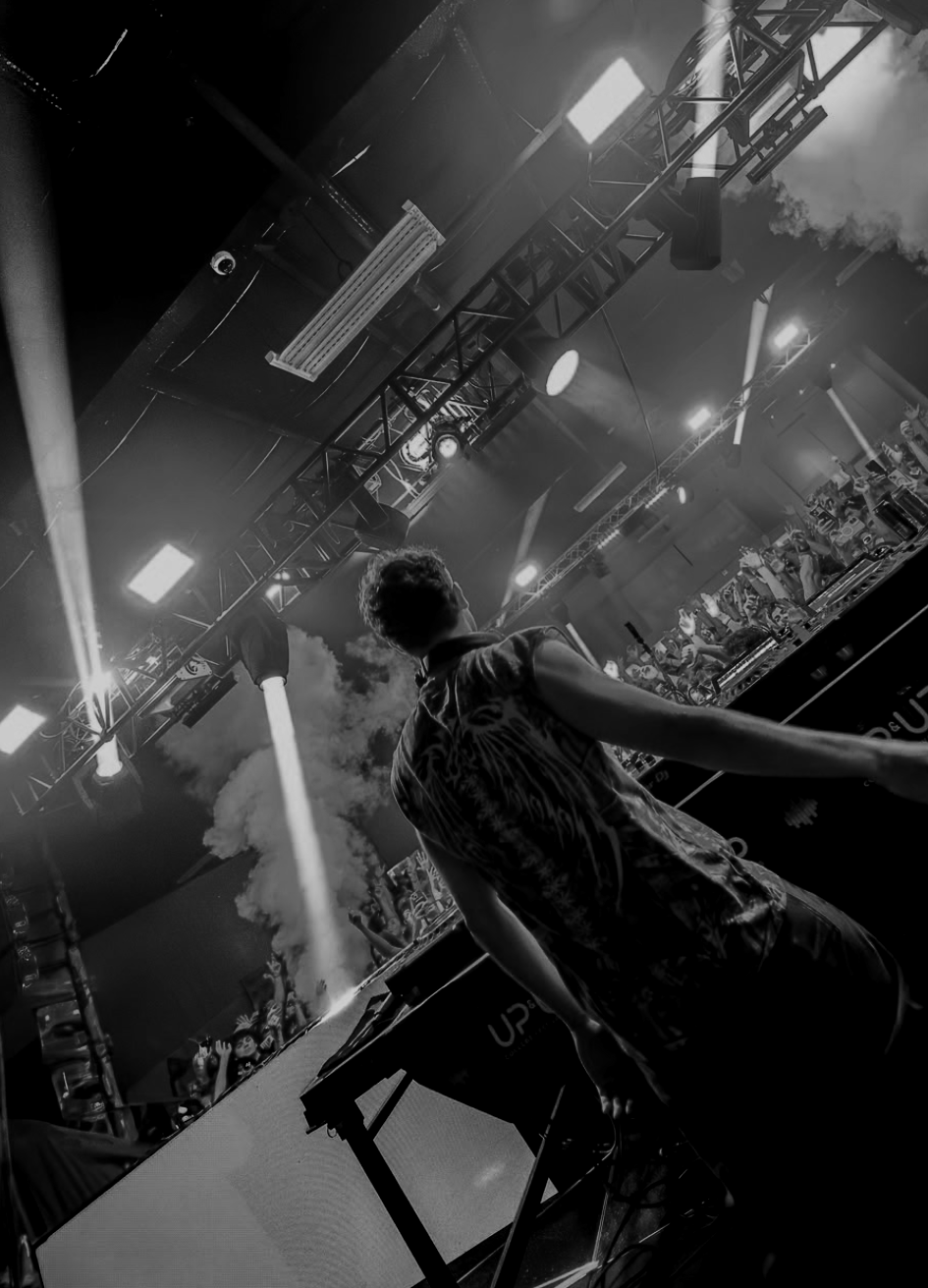
“Moments like that were the key moments I had with music since I can tell pretty well which parts of my life I’ve connected to different songs. It just adds so much emotional value to the music I listen to and reminds me of just how many amazing memories I’ve made.”
- JONNY KACHOW
ARTICLE NO. 01
DECEMBER 2025
Creative Resource: Tell me a little about yourself.
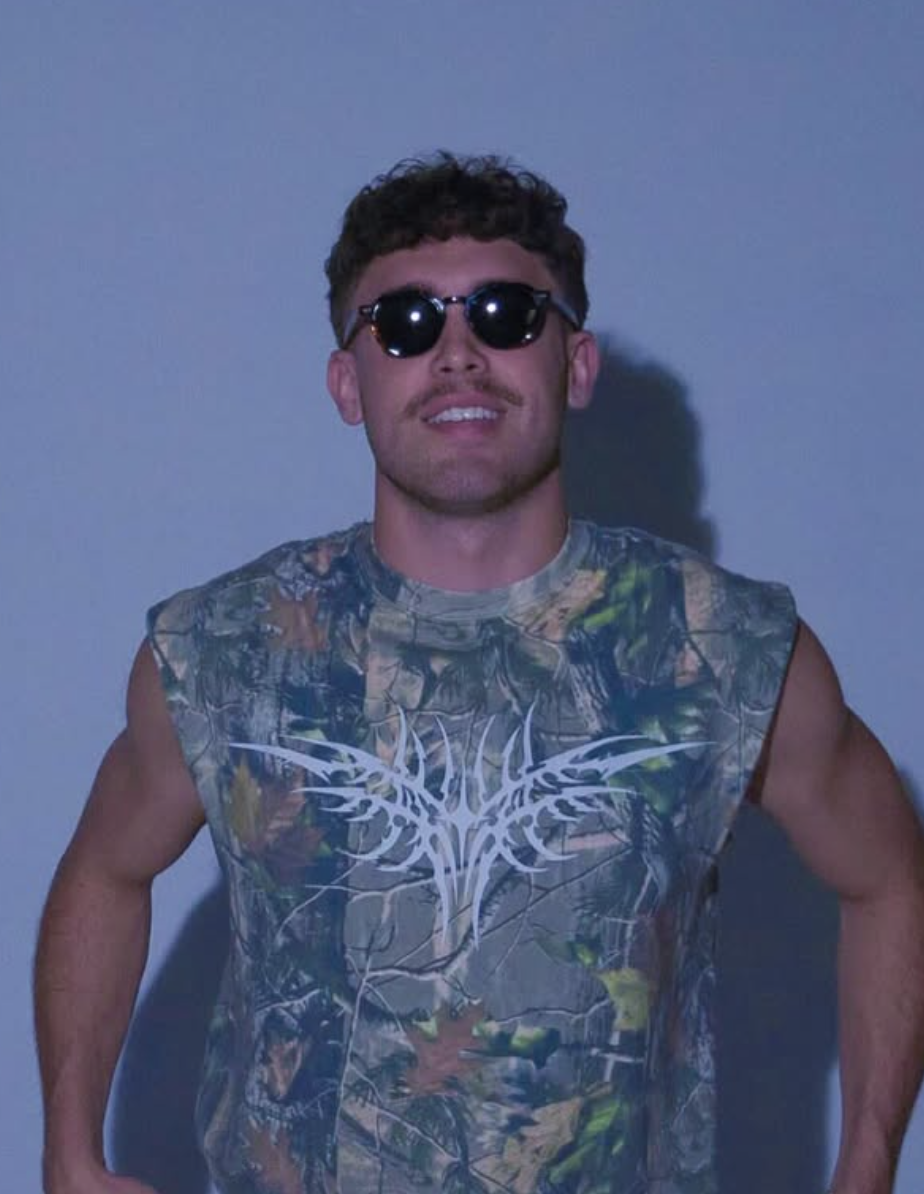
Jonny Kachow: My full name is Jonathan Vochatzer, but my DJ name is Jonny Kachow. I would say that I’ve been DJing for about three years, since I started as soon as I got into college. I’m also a part of the men’s club water polo team, and we recently just won at nationals in Pennsylvania!
CR: How did you get into DJing?
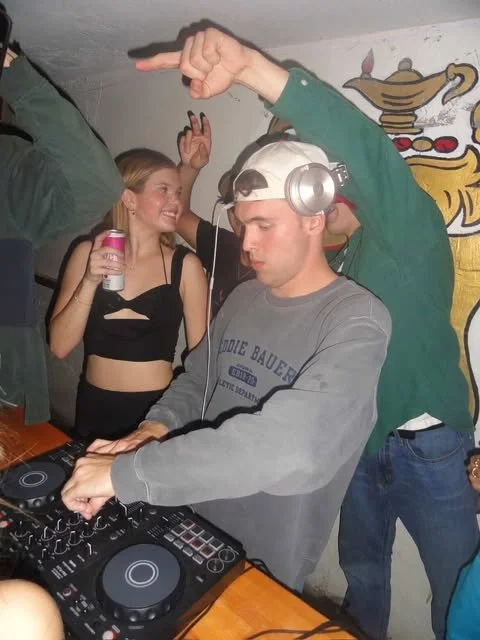
JK: When I first joined a fraternity after coming to college, there were a few guys in our fraternity who would DJ at our parties and other events. One day, I was just like, you know what? I could totally do that. I felt like it was right up my alley since I’m a pretty loud and expressive person, so I bought a board and was absolute shit for the first year; I couldn’t mix anything. The parties were still pretty fun since you just play throwbacks and everyone is happy, but besides that, I wasn’t great. The summer going into my second year, I really tried to dive deep into DJing and listening to other house artists like John Summit, Dom Dolla, and these other really big hitters. It made me realize that DJing was something I could just get better at and be able to do more with in the future.
CR: How did it feel when you realized that DJing was something that you were good at because of people’s responses to what you’d play?
JK: There was this moment my freshman year when I had found this song all on my own that I really liked and mixed it for this party my frat was going to have. My friends had been getting into house at the same time, and we were all beginners, but they had gone crazy over how I mixed this track, and that gave me this dopamine hit that I just never want to lose. That was definitely the moment when I thought to myself and realized that I really wanted to do something with it. Later, when I opened for Sidepiece, it just reassured me that DJing is something I want to do professionally and play in clubs.
CR: You mentioned this moment you had with friends where you received a positive response to the track you played. Is there a specific track that you connect memorable moments to?
JK: For me, it always changes. Right now, it’s this track called Hypnotize by Floyd Levine. It’s a super good percussive drum track, and I got to see this DJ called Patrick Topping play it last week. He was super talented, and it’s funny that you ask this because I can remember the song that I played with my friends. Moments like that were the key moments I had with music, since I can tell pretty well which parts of my life I’ve connected to different songs. It just adds so much emotional value to the music I listen to and reminds me of just how many amazing memories I’ve made.
CR: How did it feel opening for Sidepiece, a very well-known artist?
JK: My mom was at the show, and before I went on, we were both backstage, and I was holding her hand and just had no idea if I could get on stage. That night, a ton of my friends came to support me and watch me DJ, but looking out at the crowd, it felt like there were a million people there. I got on stage, shaking, and just forgot everything that I knew about DJing. I pressed play and saw the crowd start moving to the music, and it was just that moment where I got some momentum to feel secure in my skills and ability to do well in this environment. It became something I’d just want to keep chasing for those really big crowds. I unfortunately was not able to meet Sidepiece, but rather than being disappointed about that, I let it light a fire in me. I just told myself that I was going to leave it all on the stage and go as crazy as I could with my set.
CR: Is there anything that helps drive you through your life as an artist? Whether it’s advice or something someone said to you?
JK: Life-wise, my mom always told me that everything happens for a reason. There have been so many times in my life when I’ve been disappointed by how things turned out, and it left me feeling like things should’ve gone another way. Even though I felt this way, my mom always reminded me to tell myself that things happen for a reason, because things do happen for a reason. I’ve been genuinely starting to believe that things happen for certain reasons, which has helped me navigate moments when I feel disappointed or let down. Once you move on from those lows, you’ll end up going farther than you thought you would.
In a DJ sense, my biggest advice has been to dig deep. I didn’t really fall in love with house music and culture until I started to dig deep into ’80s Chicago house and the kind of music that shaped what EDM is today. That was when my interest was sparked the most, since it opened so many doors for me and so many new sounds to play around with. To go beyond John Summit and Dom Dolla—while they’re amazing DJs—just lets you be so much more drawn into different parts of house music’s history. Like, when someone asks you who your favorite artist is at the moment and you say Erol Alkan, people will ask who that even is. But when you tell them that he recently went B2B with Fred Again and one of the guys from Daft Punk, it introduces them to a new amazing DJ and opens a door for them to potentially find a new favorite DJ or song.
CR: You are a part of the Phi Kappa Psi fraternity as well as Cal Poly’s national title-winning men’s water polo team. How has being a part of these communities helped you grow both as an artist and as a person?
JK: I’ve been a part of both of these organizations all four years of college, and I would definitely say that they’ve been vital to my growth throughout my time at Cal Poly. My first two years of college were pretty rough. I originally thought I’d be a D1 water polo player—shit hit the fan. I thought I’d be an engineer—shit hit the fan. I found the frat, and the guys were just a bunch of super funny guys who I never had to say anything to, but they always had my back. I was dealing with a lot of personal family stuff my first year in college, and they were always just in my dorm asking to hang out or go get food. They also became a space for me to talk about what had been going on in my life and genuinely tried to help me through all the things that were coming at me. Those guys saved me, and I’ll never forget that.
We’ve been attached at the hip ever since pledging, and during the transition into my second year of college, it made things so much smoother for all of us, since we were all figuring out life together. We were all fucking up, of course, but we could at least go through it at the same time and support each other regardless.
As far as water polo goes, I was super involved my freshman year but ended up taking a bit of a step back to focus on frat life. During my third and fourth years, the water polo team became a huge safe space for me, just because every single guy on the team is, hands down, some of the most down-to-earth, great guys I’ve met in my life. It was so similar to Phi Psi, since the guys are always checking on me and making sure I’m doing alright. That team camaraderie is something you can’t really find outside of a sports team, and that sort of mind-muscle connection we’ve all got with each other just draws us so close. That environment has been so amazing for me to be open about being myself; I can bounce ideas off the guys without worrying about repercussions. It’s a super welcoming environment, and I’ve made so many amazing, wholesome memories on that team.
CR: You’ve worked with Creative Resource alumni Caden Velasquez. How did it feel to work with someone who’s made this kind of impact while being around your age?
JK: Well, it was pretty nerve-racking being offered a chance to involve myself in my friend’s project that they’d been working on for so long, especially since it’s so huge. Caden has done amazing, and I just felt so grateful to have this chance. I didn’t want to fuck it up, and I tell people all the time that the DJ community feels huge while being so connected at the same time. I’ve got friends in San Francisco, San Diego, LA, and Davis, but we’re similar because we want to be a part of this community that connects us all. Everyone kind of bounces opportunities off each other, and it strengthens the bonds we all share.
For me, working with Caden was super cool, and he’s doing amazing things with DRC. The event was extremely well put together, and he had lasers on the sides of buildings that were closed down for the night. It was sick. At the same time, I know that if there’s an opportunity in SLO, I’ll have his back no matter what and make sure he’s the first person I reach out to. Being able to become part of this huge creative community—where I have people I can lean on as well as be someone they can rely on—has been an incredibly rewarding experience so far.
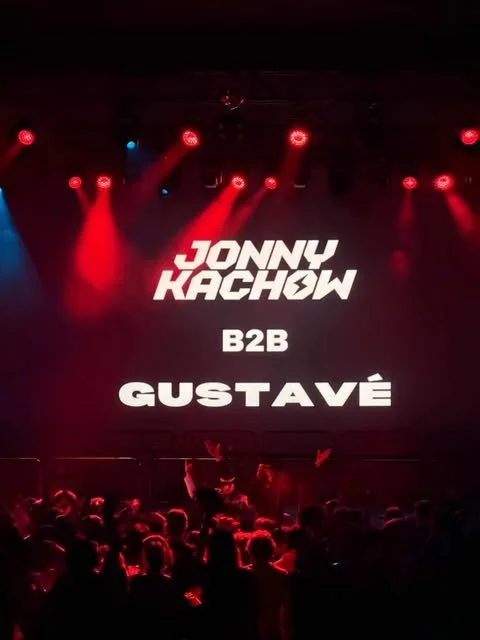
CR: You also had a B2B set with Gustavé, another Creative Resource alumnus who shared his perspective on how music is both personal and universal at the same time. How has being trusted to meet someone where they’re at during a performance helped you grow?
JK: I’ve known Gus for about a month now, and being able to share ideas with each other has been amazing. Working with someone you’re not super close with but knowing you both share this creative passion has been super motivating. I was so hyped for this performance with him, especially since I’d heard his name around campus a ton. Having the chance to mesh my sound with his and create this cocktail of music we’ve had in our vaults was just so rewarding. Even though I’ve only known him for a short amount of time, I feel super close with him since we’re constantly sharing music and getting excited with each other.
CR: Building off of this connection you and Gustavé developed through music, how does it feel to listen to someone perform and know that each track they play is so important to them that they can’t help but share it with their audience?
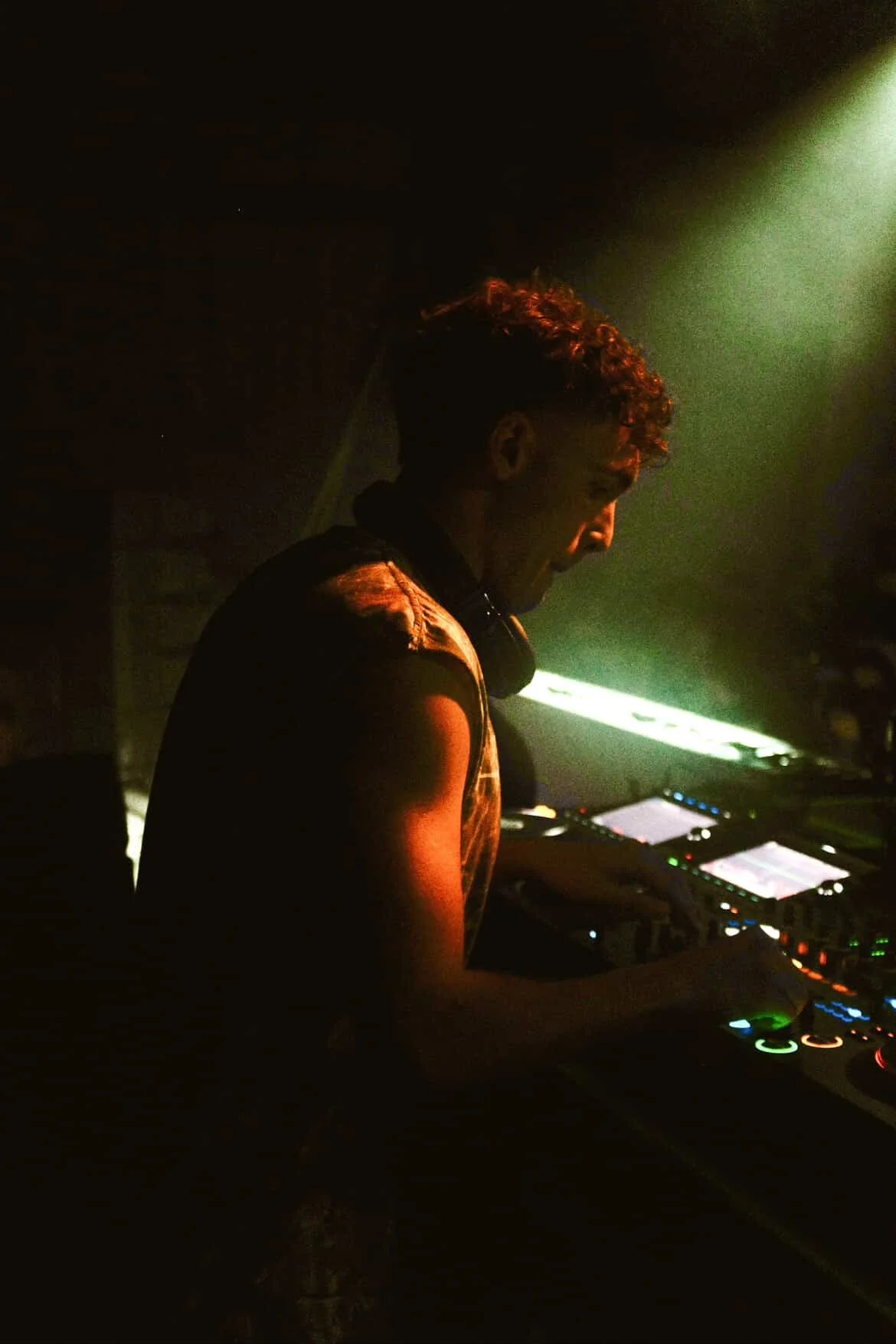
JK: For context, my Sidepiece set took me about three to four months of curating and thinking about every single track I was going to perform. It was very carefully thought out. Having had experience putting together a set, it’s been super cool seeing other DJs’ sets where they perform their most popular tracks. However, hearing a set where the DJ specifically curated the whole performance genuinely takes you on a journey, where you might listen to music you’ve never thought to press play on. When I went to Portola and saw Chris Stussy, I could tell he had the entire audience in the palm of his hand. As a DJ, when you feel the audience being grasped that way, it’s the coolest feeling ever, since those are the moments when you can really showcase your skills.
There are times, of course, when you have to play music people want to hear, even if those songs aren’t tracks you really wanted in your set. It loops back to the idea of thinking about what you want to perform as a DJ versus what the audience wants to hear. It’s this big internal battle between prioritizing your creative vision and curating your sound for the crowd. That’s why those moments when you click with your audience bring the best feeling ever and are a huge driving factor for me as an artist.
CR: You mentioned that ’80s Chicago house and the building blocks of dance music drew you more into the EDM community. What is your perspective on the evolution of club culture and how it’s developed over the years?
JK: The biggest thing has been phones. Phones honestly killed everything. If you look up clips of clubs in the 2000s or the ’90s, every person in those clubs was moving and dancing—no one was standing still. If you look at shows nowadays, it’s just a sea of phones. I understand wanting a video at a festival or a really big show, but clubs, I just don’t understand.
I saw a video of the DJ duo CamelPhat performing an absolutely insane techno set in Amsterdam. If you looked closely, everyone in the audience was just moving two inches side to side with their phones out, recording the performance. I understand wanting to capture memories, but in those environments, it’s a different feeling to truly experience the music—not caring about anything else, just you and the music.
I’ve gone to a few shows by myself to connect with people. I’ll get there at 9 and turn my phone off, and next thing you know, five hours have passed and I’ll end up with 12 new phone numbers from promoters and DJs. It’s a wild experience. I have a promoter job in San Francisco because of someone I met when I went to see an underground Spanish DJ play. He told me he respected me as someone who was going just for the music; he said I was “in it to be in it.”
As a college student, I get that people want to post if they’re in Ibiza watching David Guetta perform. But twenty years ago, Ibiza was genuinely the king of EDM when there were no phones—the only way to know what was going on there was to be there. That exclusivity made people want it even more.
There’s this DJ, Michael Bibi, who’s been throwing a lot of no-phone shows. You show them your phone, and they put a black sticker over your camera. You can still use your phone to contact people, but you can’t record anything. They’re not kidding either—there are four bodyguards on stage with lasers, and if you’re caught on your phone, they’ll laser you down, and these guys called the “Terminators” walk up and take your phone. You’re done. That’s the end of your time at the show. While it’s a little excessive, it sets a really good standard for a club scene that isn’t impacted by people being on their phones the whole time.
CR: There have been moments that go viral on social media where people record others at concerts for dancing more expressively than others. How do you feel about the way people treat each other in the EDM community?
JK: My friend Ryan Boyer taught me everything about DJing. He gave me the whole backstory of rave culture bursting from the LGBTQ and Black communities. These spaces were made for people whose identities were judged—it was a place for them to be themselves without fear and to express themselves without limits. Ryan told me about times he saw people dancing insanely hard, wearing intricate outfits, or expressing themselves in extreme ways. What connected them was that it was their own way of expressing themselves. He reminded me that since the birth of club culture, concerts were meant to be places where people could express themselves without a care in the world. Unfortunately, it feels way more disconnected from that idea now.
CR: How do you feel about that disconnect?
JK: I definitely think there are levels to the EDM community. The deeper you go, the more environments you’ll find where people can genuinely express themselves. The more mainstream, world-renowned clubs have become places where you don’t see that as much anymore. You’re more likely to find people there for the video and the hype.
It raises the question of whether people who want to express themselves freely even want to attend those events. It feels like two separate communities now—real ravers and hype ravers. They were intertwined twenty years ago, but they’ve slowly separated.
That said, I feel things reconnecting. DJs are speaking out about how phones have started ruining shows, and efforts are being made to bring that energy back. Unfortunately, everything is so expensive now. Raves used to be basically free—a place to go and have fun—but now they can break the bank. Ticket prices are skyrocketing, and it can take five hours just to get into a show. What’s the point?
Still, I have hope, and that’s what really counts. Music will always be a community-fueled art.