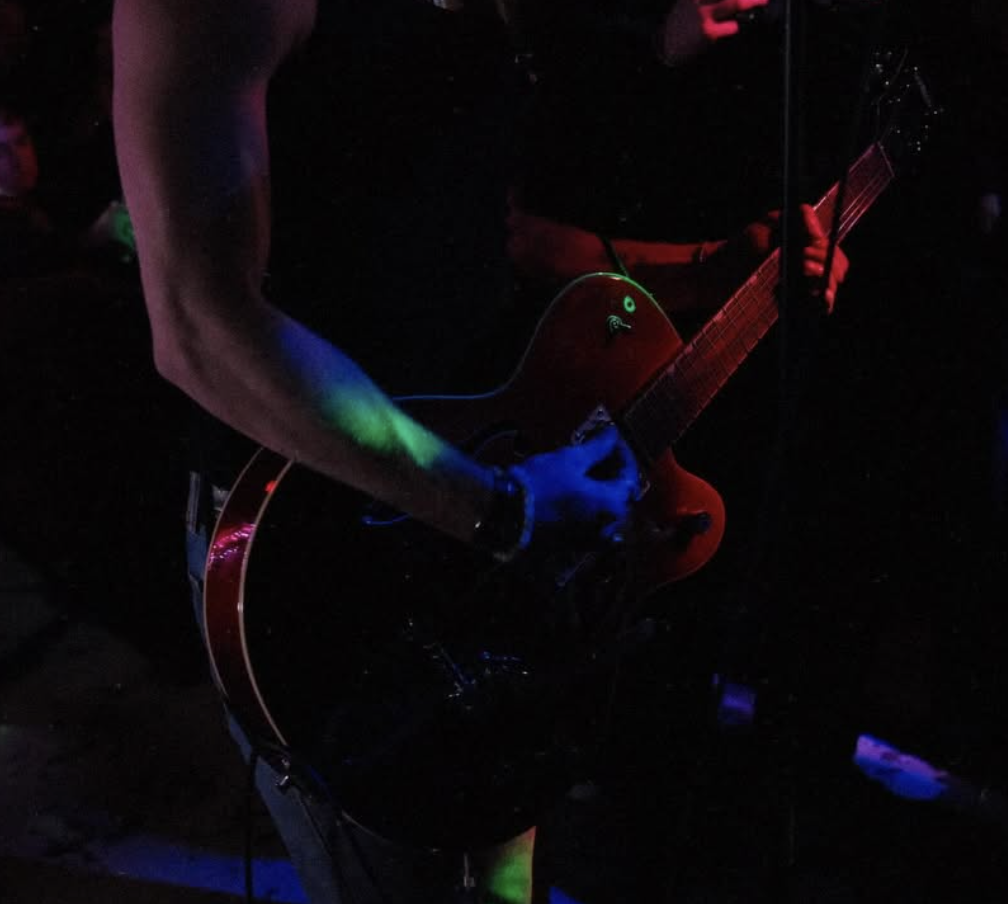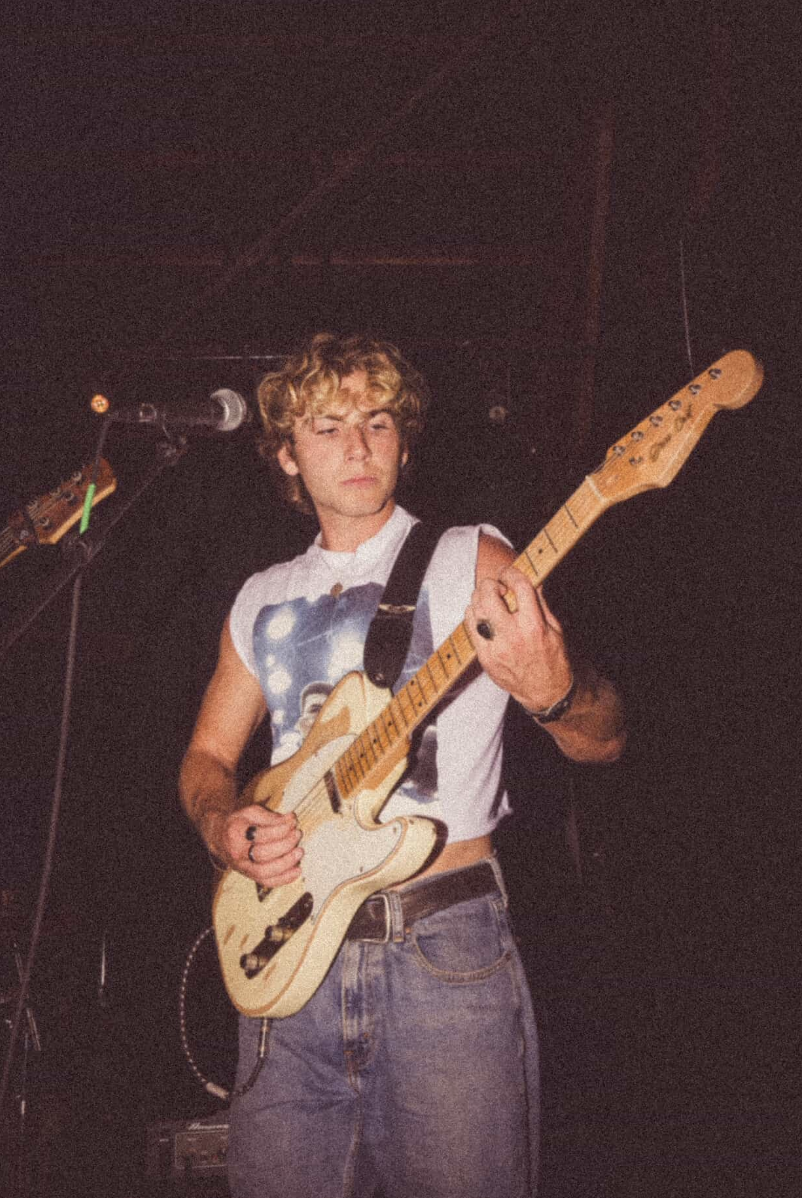
“ I have all these memories with my friends and it’s easy to have inspiration when you have an amazing community of people. I’m definitely still trying to figure out my sound, and the fact that my songs in the new album are all telling a different story just emphasizes that.”
- Jude Callahan
ARTICLE NO. 01
FEBRUARY 2026
Creative Resource: Tell me a little bit about yourself
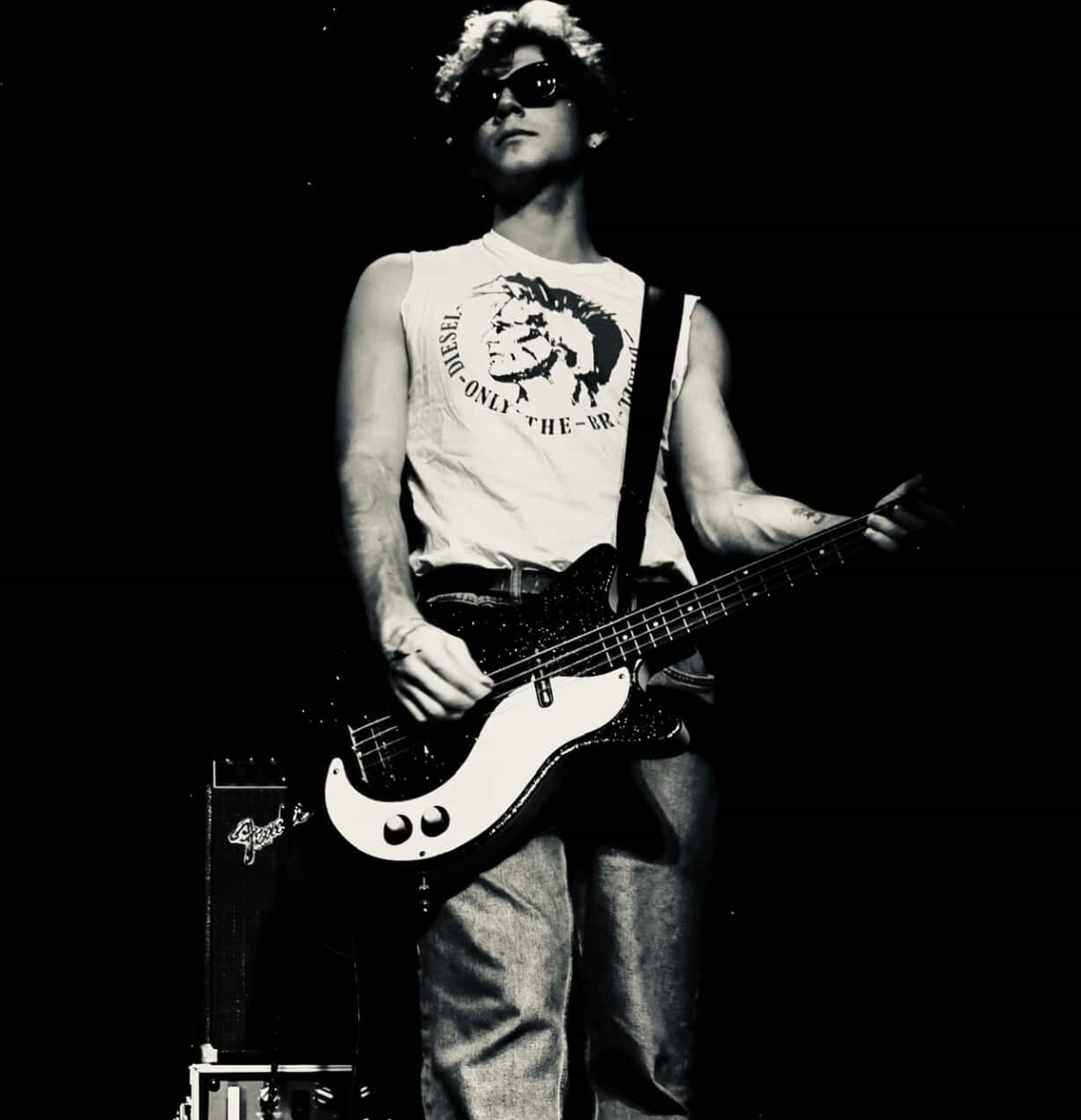
Jude Callahan: My name is Jude Callahan and I am a Sagittarius. I’m from San Luis Obispo and a student at Cuesta College. I make electronic music and been a musician for most of my life, but recently started getting into acting again.
CR: Being a musician from such a young age, what influenced the music you produce today?
JC: When I was younger, I loved sci-fi and fantasy movies. Film scores really caught my attention and I got super into Hans Zimmer and John Williams. It’s something that would get stuck in my head and the themes of the songs just kind of stayed with me. As I got older, I got super interested in Motown music and that soul-pop music; The Jackson 6, Temptations, Soul Stirrers. It segued into disco and my parents had downloaded the album Fantastic by Wham! on a little iPod shuffle that I would always use. The album was just something I listened to on repeat and got me into that new wave 80s music. Disco was a huge part of my childhood and definitely influenced my music.
CR: How did your career as a musician evolve over the years?
JC: I was playing the piano in third grade but I didn’t like it too much because of the teacher I had been working with. Both my skills and my experience playing piano got better when I switched music teachers after some years and once middle school came around, my parents got me a MIDI keyboard, and that drew me into music production. I have this super old version of Garageband from 2008 and that was something that I just tried different things on that software like sampling drums and different kinds of beats; it was just guitar, bass, and keys, so it was fairly simple for me.
CR: Music is often used to tell stories or as an outlet for certain feelings. Is there any story that you had in mind when producing this album?
JC: The music usually comes first when I’m producing. Instrumentals are where I thrive so they usually have a lot of my focus when I work on anything new. My music is geared towards my friends, and it is definitely a dedication towards them since every song is a different story. I have all these memories with my friends and it’s easy to have inspiration when you have an amazing community of people. I’m definitely still trying to figure out my sound, and the fact that my songs in the new album are all telling a different story just emphasizes that.
CR: The songs on your album have this nostalgic feeling to them. It reminded me of the soundtrack from The Perks of Being a Wallflower. You had mentioned that your music is a dedication to your friends, so would you say that there are any specific emotions that you’d associate with your music?
JC: To be completely honest, most of the songs are about heartbreak. I’ve always liked the contrast between making feel-good music and just being able to invoke some sort of an emotional response from an audience. I mean, Robert Smith was always able to write songs with really beautiful contrasts where the lyrics are tragically sad or super happy; the music doesn’t always have match with that. It’s funny that you mention The Perks of Being a Wallflower since David Bowie is huge for me as well. The first song on my album actually uses a sample from this Italian composer named Pino Donaggio who worked with Brian De Palma on a lot of 80s films. It’s from the movie Body Double and there was a scene from that movie that this song is mostly associated with. The scene is one that is so nostalgic for me and that mostly makes the song have such an importance to me and the nostalgic feeling I get is just crazy. When I listen to this music, it feels so crazy since I’m so caught up with college and relationships and life. It just reminds me of like, sitting in the back of my friend’s truck getting tossed around and all these other late night memories.
CR: Are there any tracks that really reflect your emotional experience as a musician or would you consider each track on your album different parts of a puzzle?
JC: I would definitely say that puzzle pieces are a great way to put it. Weekend Girlfriend is where I feel like I’m at right now and is definitely an area of frustration. I wouldn’t call it a bad relationship, but it just wasn’t ideal for me. I just needed a way to get that off my chest and the song is more of a reflection of why dating sucks right now. Music is my outlet for these experiences and those emotions are just naturally conveyed through my music. And it’s been super fun working on all the tracks. I’m reflecting on my past experiences and just finding my peace with them through my music.
CR: You’ve been involved in the local music community for a while and had the opportunity to learn from musicians who might be older than you or around the same point of life as you are. Was there anything people said to you that stuck with you? Whether it was advice or just some words that you appreciated.
JC: Not totally, to be honest. If people in San Luis Obispo gave me advice, I didn’t really listen unless I felt like they had their shit together. I think I just have this mentality that down the line, at some point someone will take me under their wing and then we’ll see where things go from there.
CR: Having talked a little bit about the types of media that you’ve drawn inspiration from, are there any other poems or film that you’ve drawn inspiration from?
JC: I’ve always liked a lot of weird ’80s movies. Dario Argento is one of my favorite filmmakers—his movies are just visually amazing. I draw a lot of inspiration from Brat Pack movies like Sixteen Candles and The Breakfast Club. I also really like Edgar Allan Poe; his work makes your imagination go crazy, and it’s the coolest thing ever. If I could model my artistic life after anyone, it would definitely be David Bowie. I love The Cure, Depeche Mode, and Duran Duran. Sam Cooke and Ella Fitzgerald are amazing, and I also love Luther Vandross and Earth, Wind & Fire. Charlie Chaplin is brilliant to me. I don’t know why, but he’s such a brilliant actor. All his characters are super melancholic and really tragic but the humor is just such a big part of things. The fact that you can be really sad and then really really happy is just great to me. It’s so impactful since so many people can relate to those ups and downs since it’s not like someone is going to be sad forever. The ability to do both is just super impactful since you can draw out an emotional reaction and connect with your audience even more.
CR: You were saying that a lot of the music you write about comes from an experience. Are there any memories from when you were younger that you feel drawn to a bit more when you’re writing?
JC: My family would go to Catalina Island a lot, and I just remember a lot of smells and things like going to get ice cream with my grandpa when I was little and when you’re little, everything feels so much bigger. There’s memories from when we’d be on the beach, and when I’d find myself wanting to go back to these moments I’ve got all these memories from, I just start thinking about the flavor of ice cream that I was eating and the smells and colors of the ocean. It’s been weird for me since I’ll think about these memories I’ve made with my family and late nights driving past huge buildings with my friends when I’m making music. It’s a really big contrast but all these sensory experiences that go into making music aren’t acknowledged as much since music is obviously an auditory thing to so many people but it can be so much more.
CR: Did you feel any hesitation with releasing this album? Or was there a moment where you heard everything at a point and just knew that it was ready?
JC: I think that it really depends. I am and always will be very critical of what I make and the work that I’m doing. I kind of just hit a point where I felt I just needed to release it. There’s only so much that you can do and even if you’re not a professional, releasing your work is always going to be better than keeping it to yourself. It was definitely a “fuck it” moment and leading up to the release I had tried to think and plan all these different ways I should go about releasing this project that was so so important to myself. If I’m being totally honest, I had reached a point where I just didn’t care what people were going to say about it. It helped a lot with removing the stress that plagued me for so long and I don’t really regret a thing.
CR: Where do you find that middle ground on the way music is both so personal and the way it is also meant for the whole world to enjoy?
JC: You have to be an artist for people. I love when people can relate personally to the art around them, so having people connect with the music that I wrote was truly so rewarding. Everyone wants to be heard and understood in a way, and if you can’t articulate those feelings by speaking to someone else, you can just sing about it. That’s always just been my mindset about art and the things that I create. Music is a good way to share your emotions without having to say them straight up. I think that it’s a big reason why love songs have thrived so much especially in a generation that struggles with communicating.