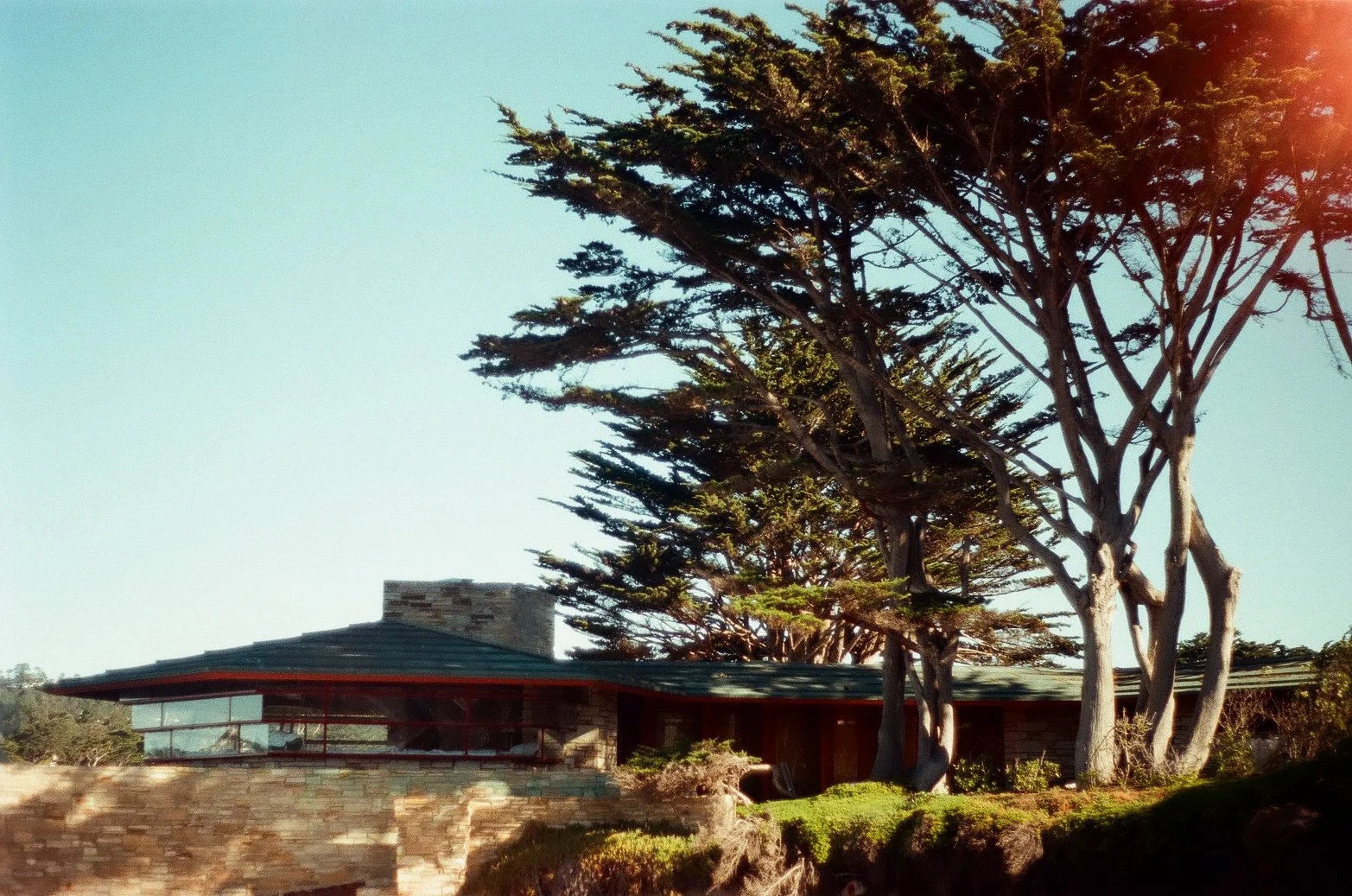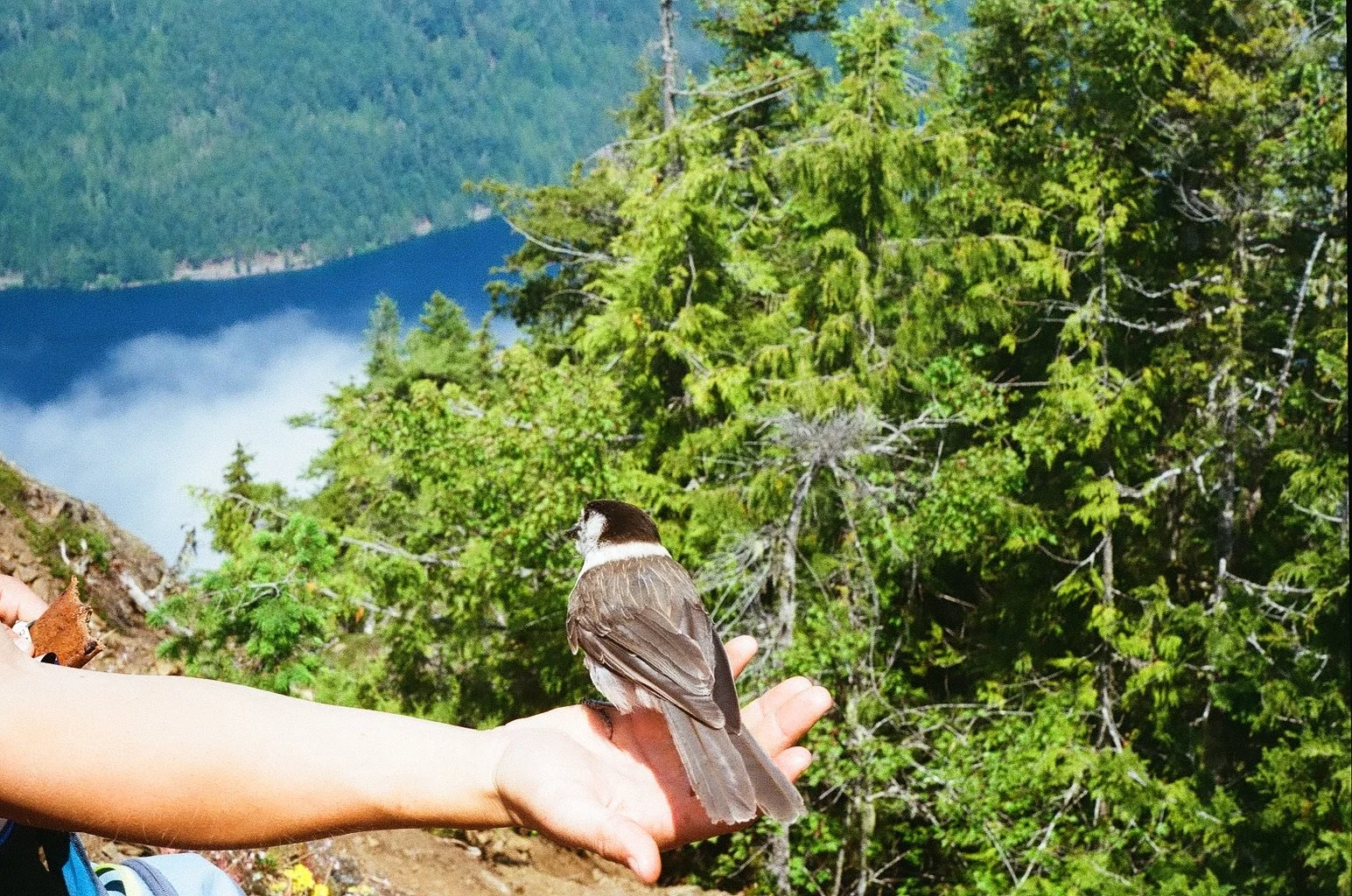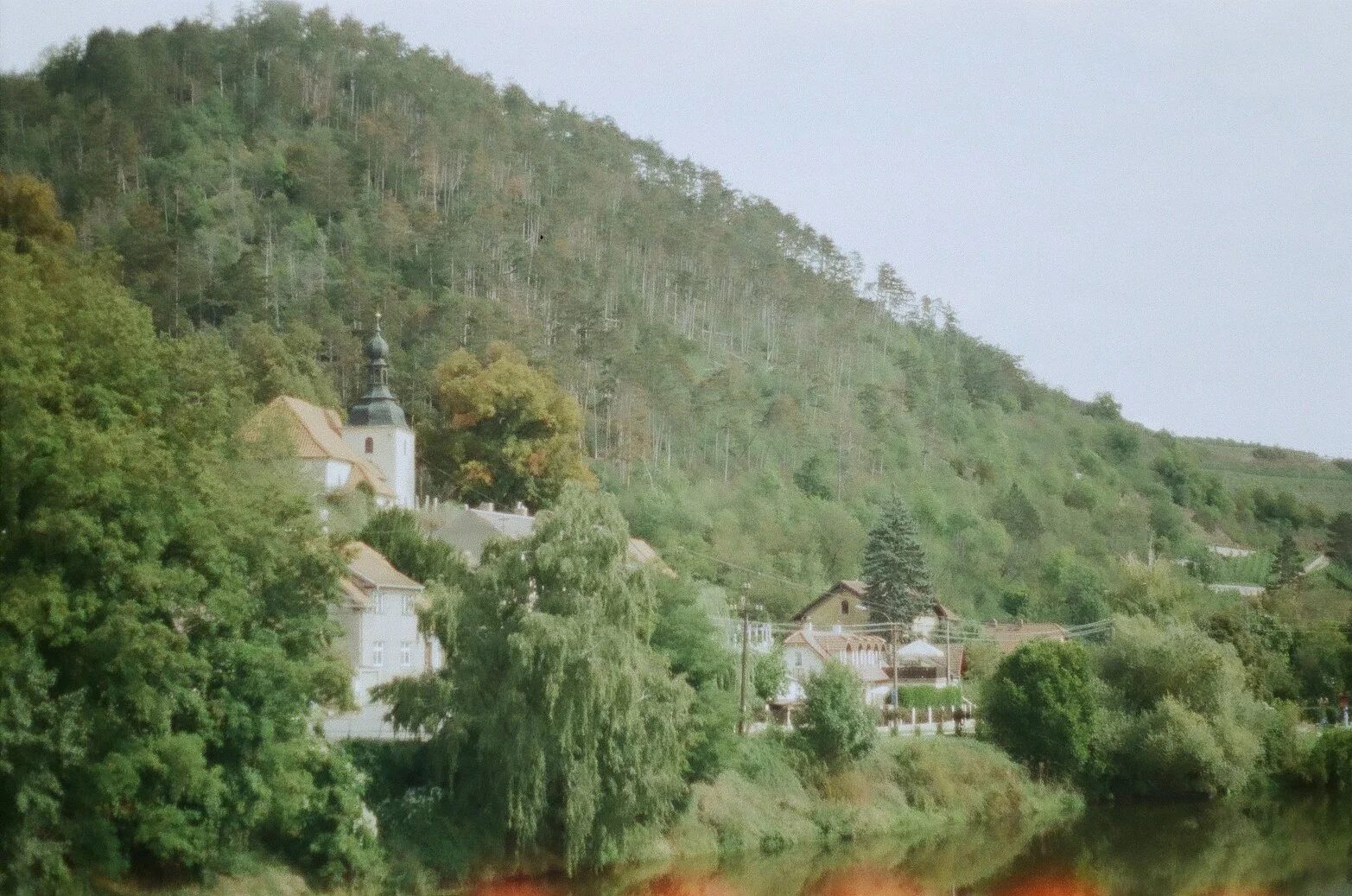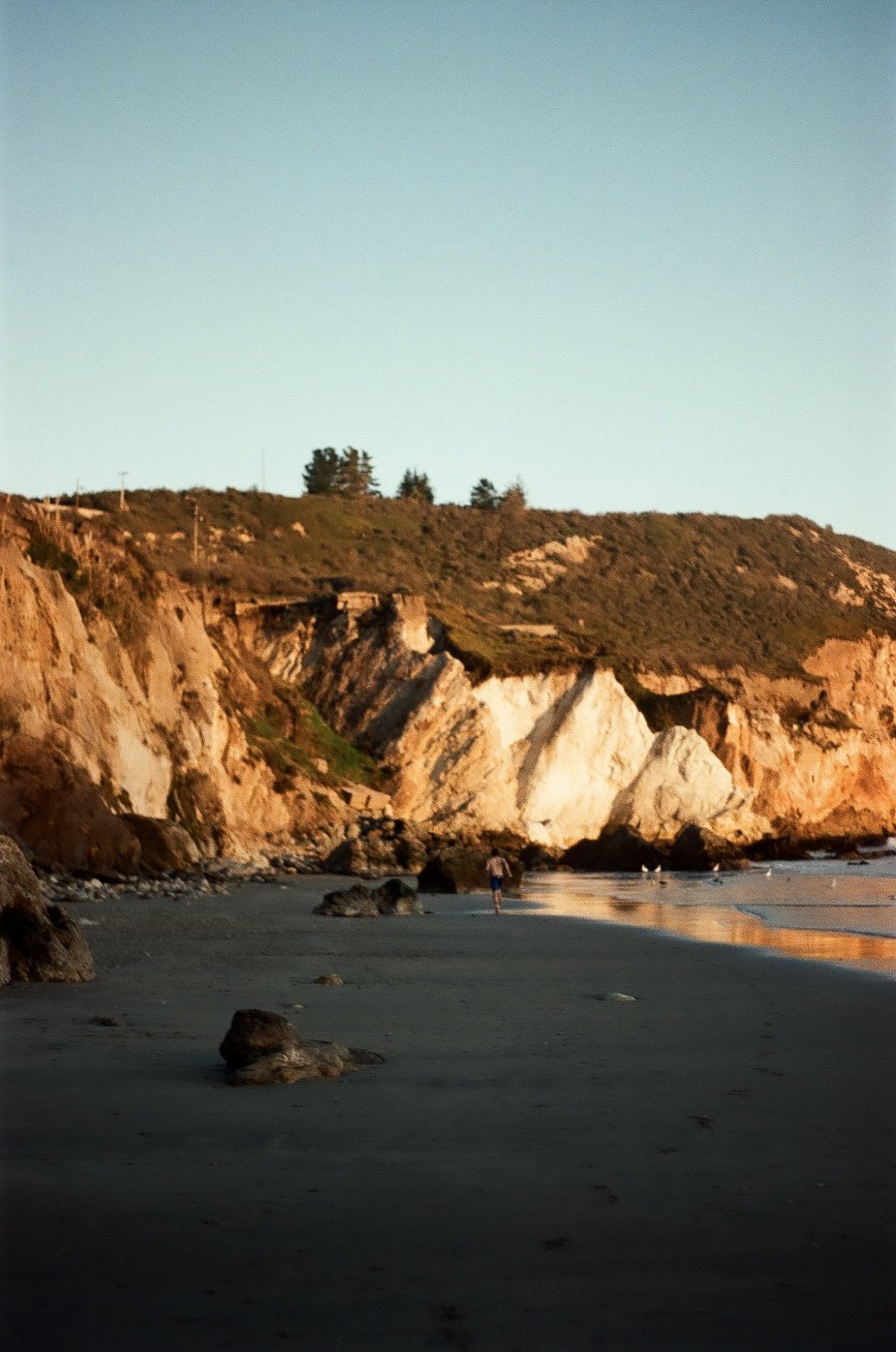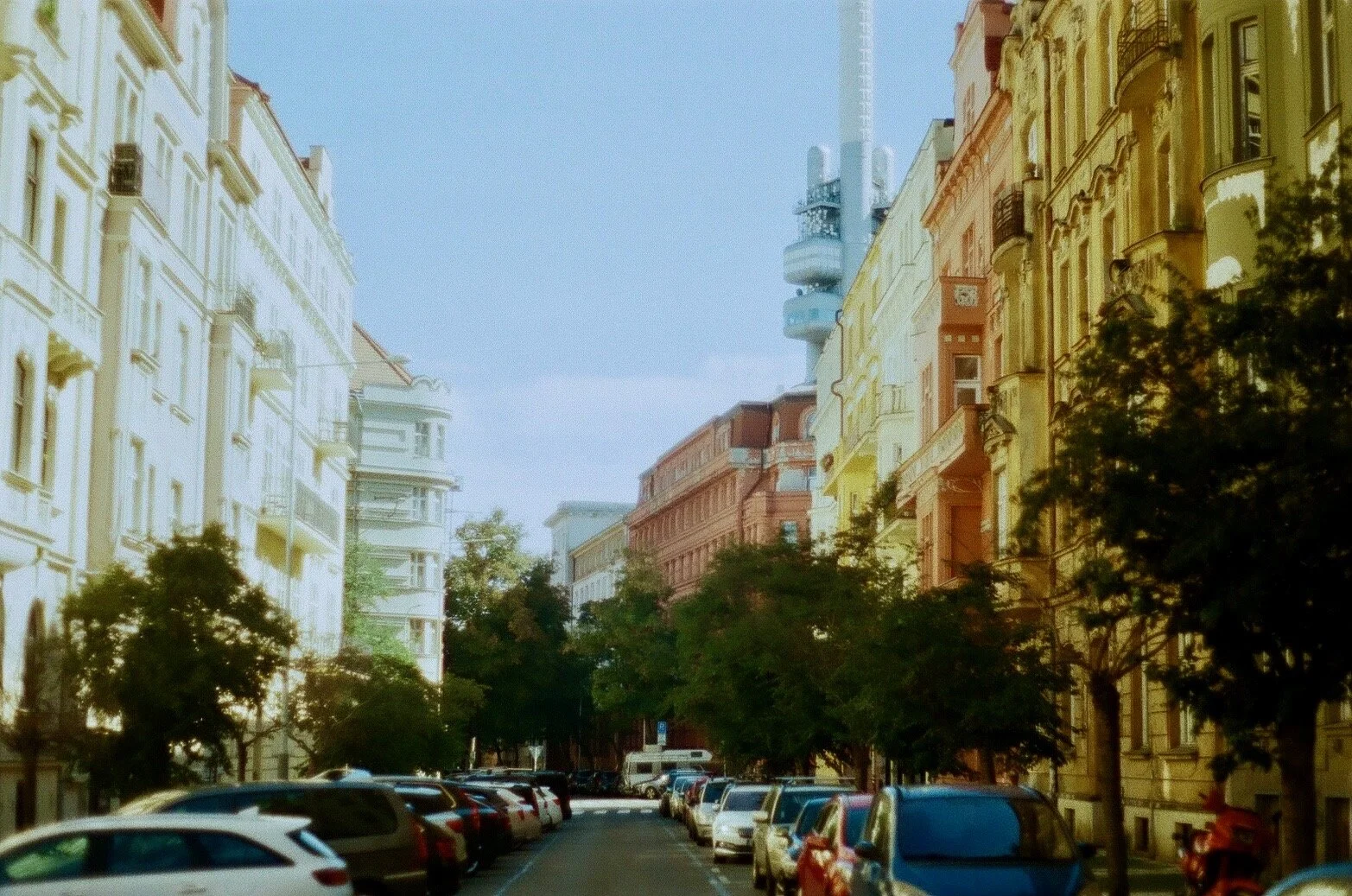
"I went to Washington with three rolls of film and my friends, and for once, It felt like had no real responsibility outside of enjoying my self — just the freedom of being alone in nature with people I cared about."
-Leo Miller, 2025
Creative Resource: Tell me a little bit about yourself
Leo Miller: My name is Leo Miller and I’m from San Luis Obispo. I’m a film photographer who started all because of my time abroad in Europe. I had owned a few cameras at home growing up, but they weren’t super great and I just didn’t really pay them enough attention to be interested in photography before. One of the friends that I made when I was abroad lives in Oregon so I had gone over to visit him and we just took tons of photos of nature there. That’s what completely changed my perspective on photography, film photography to be more specific. Taking film photos is so much more appealing; it just captures the subject so much better and having the pride of seeing the photos you take is just super rewarding. My friend ended up gifting me a film camera and that definitely has had such a strong impact on my involvement and work in photography.
CR: What have you been enjoying capturing the most in your photos?
LM: It’s never been too specific for me but it’s always just been about capturing a moment compared to a thing. If you visit Paris and take a photo of the Eiffel Tower on a film camera, it can look like a lot of other photos people take. If you try to capture specific moments, film is such a powerful medium of art that the photos seem more alive and is just so much different than just taking a digital photo and editing it.
CR: Which locations surprised you most with the emotional response that capturing a specific view gave you?
LM: I went to Washington with three rolls of film and my friends, and for once, it felt like I had no real responsibility outside of enjoying myself — just the freedom of being alone in nature with people I cared about. We just went into this trip wanting to take as many photos as we could and just worked hard on finding special spots to take photos at. It was definitely one of the most amazing and beautiful trips that I’ve ever been on. Mount Rainier was such an incredible experience and the film that came from going to see it is, I think, something that I’ve been so proud of capturing the way that I did.
CR: What drew you to that specific moment at Mount Rainier?
LM: I think that even if you’re not super into nature, not that I know anyone who isn’t, people can all agree that seeing Mount Rainier is just so gorgeous. Personally, I think that more of the value from that experience came from the situation that I was in. I was with my two best friends on our own in nature and doing nothing more than driving around and having fun. I knew that what I was doing was something that I’d never forget and knew that it was such an important part of my life, especially having this hobby that helped me capture so many parts of what I was experiencing. It made it all the more special.
CR: What is your opinion on storytelling with photography — both with what you see visually and what the story behind the moment is?
LM: I’m not sure how well equipped I am to answer this question but I think it’s so important to incorporate all the different parts of a certain moment. Looking back at the film from my trips, I’ll have a picture of the mountain and then one with my friends in the photo. There’s like 307 photos from two weeks and you can just see the different parts of your life and these things you got to experience. There’s so much emotion attached to every photo in my film rolls compared to taking photos using your phone. The excessive amount of photos you can take just causes the moments to get muddled in your memory and it can feel less special compared to when you don’t have infinite rolls of film and each photo is something that you’re thinking about a bit more. It’s all been feeling very personal for me, which I feel like would be pretty obvious, but when I feel comfortable enough to show people my film there’s always this super positive reaction which has been so reassuring.
CR: Music has always been a way for stories to be shared with different people and from what I understand, you have some experience with growing up as a musician. Do you think that music and photography share this sort of impact with being both personal and universal?
LM: 100%. Photography and music’s value can always be defined by someone’s skill level, but if you look at platforms like National Geographic, they publish all of their most amazing pictures that they take in a specific year and not only are they visually cool but they all have this dependency on telling a story. Whether it’s an animal that’s dying or a cultural event being shared, they’re always photos that make you feel something and similarly to music, the songs that tell stories we can connect to are the songs that are the most memorable.
CR: How have the living and sensory aspects of what you're capturing helped you appreciate it more?
LM: It makes things so much more fun. You can’t really control when you’ll see an animal in the wild, but it was so fun to “hunt down” animals to try and get photos of them. The entire time I was in Washington with my friends I had just been praying that a bear would show up and I had just wanted that photo so badly. There were some bears that I saw but they weren’t close enough for a photo to be worth it — you can always get photos of birds and deer and other people around you and that was still fun in itself. It’s like a challenge to capture something like certain animals and you really have to know to either wait or take the photo and just gotta know what you’re dealing with to capture something so organic.
CR: Do you think that your photography has impacted your perspective on how national parks and nature are being drawn into politics? What part do you think it plays in the political issues surrounding nature?
LM: Photography will always help. You can never have too many people admiring and appreciating nature as long as it’s done in ways that are considerate of what surrounds them. Sure, national parks can get crowded, but everyone should really go to as many as they can. Photography wise, there are so many amazing outlets and platforms for people to share these moments that they have in nature. There’s professional photographers and nature photographers who dedicate so much time to capturing this view that earns a strong emotional response from people. If a really good photographer goes out and takes pictures of these landscapes, of these animals, or maybe human encroachment on these places, that will always instill a sense of responsibility from anyone who sees them.
LEO MILLER
APRIL 2026