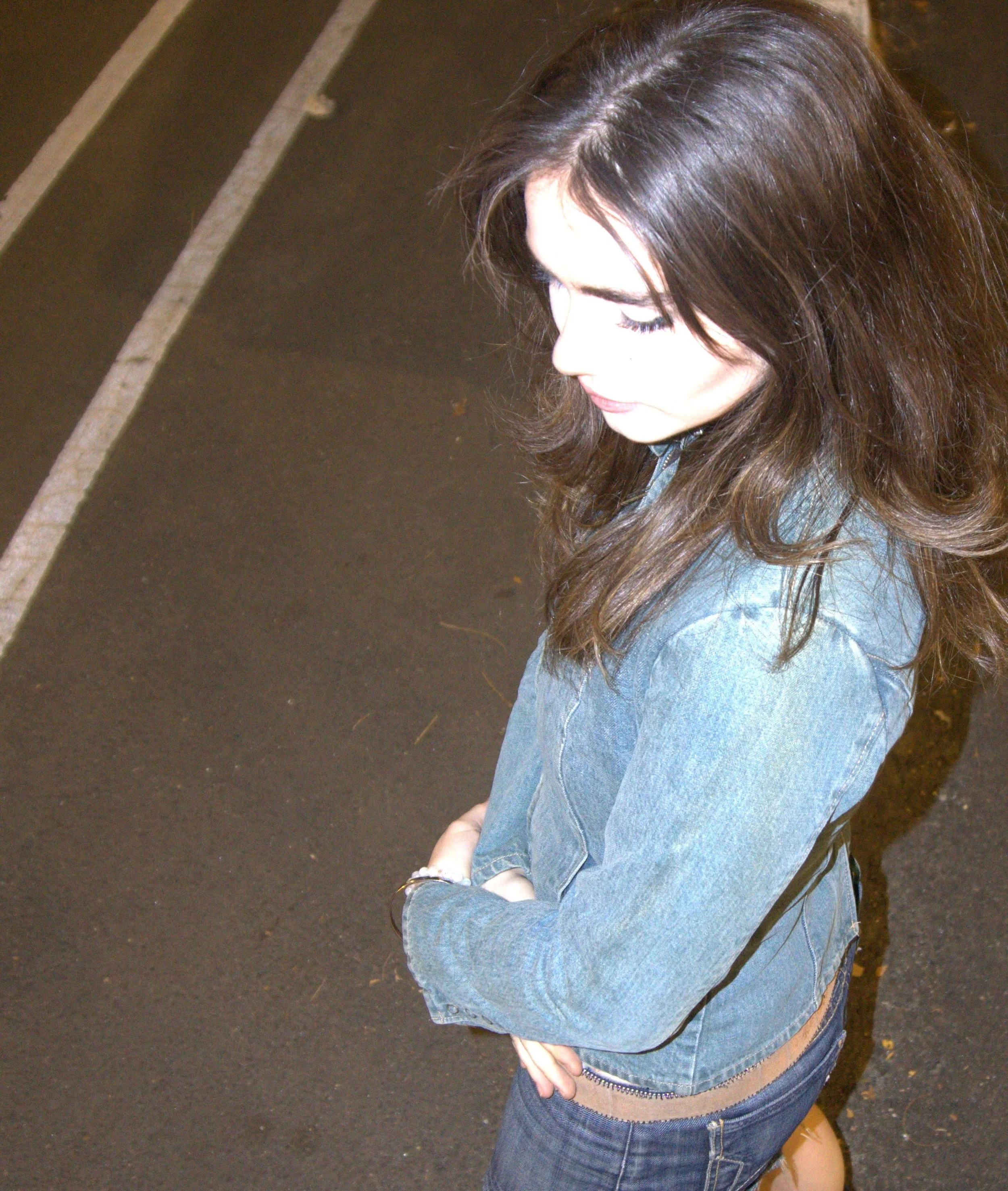
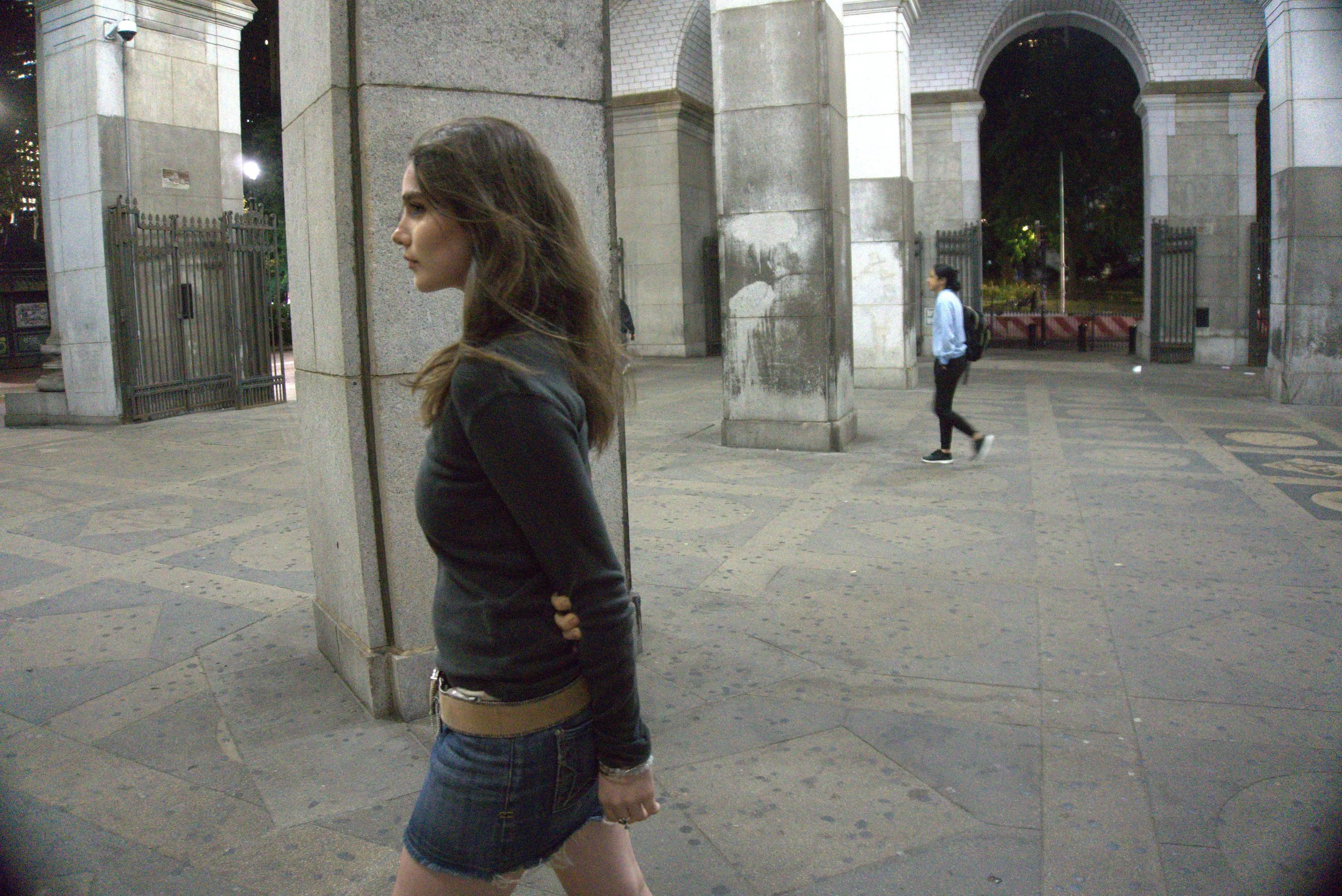
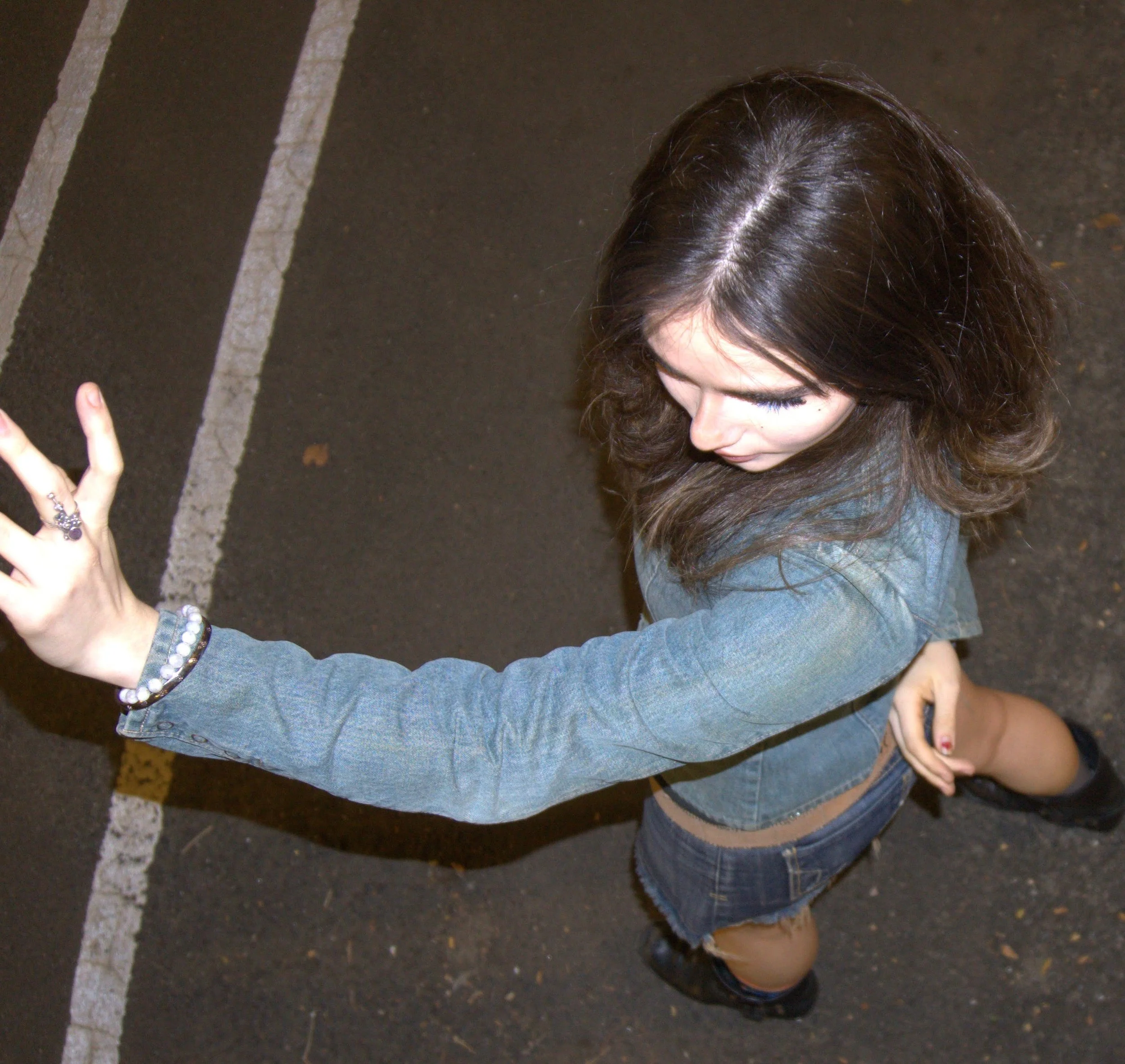
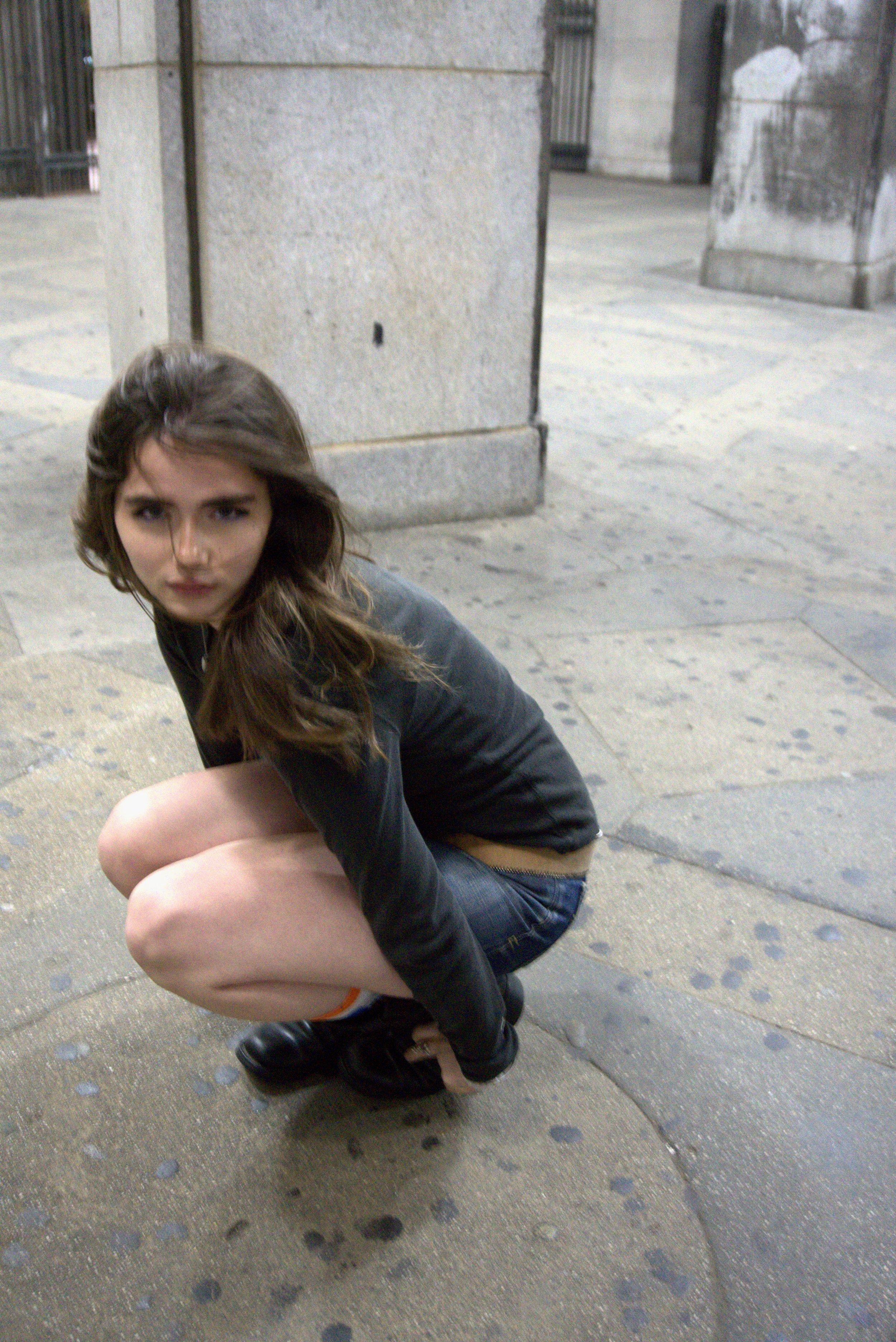
“It just made me realize, holy shit, I can’t do this forever. I hit this breaking point and asked myself if it’s not ballet, then what is it? It became a testament to the idea of having to lose yourself in order to face your fears.”
Angelina Capozzoli, 2025
ARTICLE NO. 01 - APOTHEOSIS
NOVEMBER 2025
CREATIVE RESOURCE: Tell me a little about yourself
APOTHEOSIS: My name is Angelina Capozzoli also known as Apotheosis. I’m based in New York City and I’m twenty years old. My zodiac sign is a pisces, so water sign all the way. I didn’t grow up making music; I grew up acting and dancing professionally. I pursued a career in ballet for the longest time until I got injured during the pandemic and had to stop dancing. I decided to go to college after that and I became a philosophy student; it was through philosophy and enriching myself in these topics that I found an agency for myself and was able to reconnect with my desires. Music was something that was so connected to everything that I did, from my experience with dance and the time I spent working in film. Music was always the through line. It was always the reason, but sometimes you’re just not there, and I don't think I realized how seriously I wanted to have a place in the music world, and so when I started working on Apotheosis about a year ago, everything came into fruition.
CR: What drew you towards the artist name Apotheosis?
APOTH: I was in a lecture at the time. We were studying aesthetics, which was the study of art and beauty in a philosophical manner, and one of my professors had just brought up the word. They explained that it was a Greek phrase that meant ‘the most divine point of something’ or to almost make something a deity. It mostly just resonated with me when I realized that was what I was striving towards always; I wanted to reach this point where I was just so connected with my own work, and wanted to explore the depths of my own potential.
CR: The music you make has a very noticeably ethereal tone to it. The vocal layering and harmonies that you use emphasize this light and airy aspect of your songs. Is there a certain artist that inspires you or did this just come from messing around with different sounds?
APOTH: I think it’s a combination of both. Because I had never made music before, there was a lot of room to explore and try different things. I would say the vocal layers come from not being so advanced with different instruments or not having the resources to add some orchestration or another guitar. I really just had to fill those gaps with what I had which was my voice. A lot of my own sound comes from that but I also got a lot of inspiration from different artists. Anywhere from Post-Punk Siouxsie and the Banshees, Cocteau Twins, Sinead O Connor all the way to Imogen Heap and Ariana Grande. That stuff has all different kinds of layers and unique noises, and I just think that they have such cinematic ways of composing. It’s very much like scene building rather than writing a song in a traditional sense. Ambient music and classical compositions as well, Brian Eno, Harrold Budd. I feel like so many songs I love have the sound of water running or crickets chirping, so this atmosphere just makes the listening experience way better for me.
CR: Punk music has a strong history of being a social genre of music; from being used to raise awareness of certain issues, to being used to fight political changes. How does this outspoken aspect of music connect to your identity as an artist?
APOTH: I grew up with a mother who was very punk, and she passed a lot of that down to me. She just raised me on the message of advocating for who I am and not changing who I am in order to fit into certain expectations. In such an opposite environment, I grew up in a highly disciplined space for pre-professional ballet. It’s very much about keeping silence and following rules, not to mention this self-sacrifice to please a collective of girls, coaches, or even donors. There's a lot of politics involved, and I think that reconnecting with the idea of punk creativity after quitting pre-professional ballet, I’ve found a way to process a lot of the anger and disruption that I wished I would’ve tapped into more in those environments. I wish I was more against the system of being so silent and that I kind of stood up for myself more not only in ballet, but in my life. I feel like others can definitely relate to this, but I felt for awhile such a sense of disappointment at the lack of authenticity in art and music and found myself constantly reaching for older records or nostalgia. However, there is so much amazing art being made right now, and living in New York means I get to experience all this raw passionate work; it's been such an amazing inspiration and driving force for me to reconnect with this non self conscious outspoken version of myself. It’s mostly a way for me to be pushed out of my comfort zone and take responsibility as an artist to make sure I’m showing up and showing out in a very loud way for all the things that make me who I am, especially since I have a very political connection as to why I make music and art. I really believe that it's the path to revolution.
CR: On the topic of politics and certain controversy in art, nepotism has been the topic of a lot of conversation in the arts. Do you have any specific opinion about nepotism in artistic environments?
APOTH: I’ve honestly thought about that a lot. Living in a bigger city with all these different environments, I feel out of place sometimes as someone who has to work a lot and doesn’t really relate to the financial nepotism that’s really common here. I’ll enter these spaces with artists that are funded by their families or who have an insane network of connections, and I find a lot of more independent self funded artists can be quite judgemental and bitter towards Nepo babies. Which is silly. Thinking about the other person’s perspective is really beneficial in my opinion and it really just helps me realize that nepo babies are the best example of what humans would do if we didn’t have to worry about survival. That's sort of beautiful! A lot of people end up pursuing careers that they might not be as passionate about for the sake of survival, which is a deep tragedy. I think it’s extraordinary how nepo babies have the time to just live and make things, it doesn't mean they aren't people and it doesnt mean they dont have something to say. No, it’s not always good work. It’s true that sometimes they lack some perspective that a lot of average people have, and that’s why their art at times falls flat. At the end of the day, whether you’re working 14 hour shifts or not working at all, if you’re gonna be a successful artist then you have to be confident and understanding of others. If I’m in a room with nepo babies, I have no doubt that my success and hard work is still going to be recognized. It seems like an irrelevant thing to me.
CR: Could you elaborate on your concept of perspective impacted art?
APOTH: Absolutely. I think that art is a way to bridge gaps and connect with others who either are similar to you or completely different. A great artist is someone whose work is digested and understood by tons of different people. We live in a very ‘God is niche’ time where you want your art to be niche and underground, but I have a lot of respect for the artists who are understood by a larger group of people since it means that you’re bringing a perspective that is applicable to a lot of different experiences. I feel like a lot of young artists run into a situation where they are super talented but they just haven't lived enough. You can go to the best music schools and be some NYU graduate with a life set up for them to have a perfect career, and you can be extremely talented, but if they didn’t live a life that inspires your art, what are they supposed to talk about? As a human, in order to make anything valuable, you first have to live. It's easy to get sucked into the culture of music music music and think you need to have all this training and education to succeed, but when you remember the first music was made from humans natural desire to express you realize the two have no correlation. It's your reason for making it that matters.
CR: How do you think your perspective has developed being able to have these experiences of training to become a professional ballerina and being a student and working in order to support yourself financially?
APOTH: I think that I owe my music career to the fact that I failed in some ways as a ballerina. The love and value that I found in ballet is completely transferable to what I’m doing now, and it just taught me so much about respecting high art since it is truly one of the loves of my life. I think that having done ballet since such a young age, I just adopted it as my purpose, or one of them. I never had a moment of being lost; my peers would often meddle with the idea of whatever they wanted to do in the future, but I never had to think about that because ballet or acting or whatnot was always just “it” for me. I always knew I would be doing some kind of art since it had just always been what I’d end up doing, so when I ended up being in college, it was a major hit to my ego. I was never expecting to be a college student— although it is an amazing accomplishment —in my perspective, it didn’t feel like one. As someone who was supposed to go straight into joining a ballet company, there’s an air of opinion about college, a belief that if you end up in college, you somehow failed at joining a company. It just felt like such a moment of being lost since I felt like I didn’t know who I was outside of ballet; it made me question what value I had. Having to clock into my fine dining shifts, feed and house myself, and go to school just felt so far away from what I wanted. It just made me realize, holy shit, I can’t do this forever. I hit this breaking point and asked myself if it’s not ballet, then what is it? It became a testament to the idea of having to lose yourself in order to face your fears. It was really a life or death sort of turning point for me.
CR: How did you overcome the toxic perspective of college that the ballet community adopted?
APOTH: I had to stop being avoidant. That was absolutely the biggest thing. I kind of fizzled out of doing ballet, and there were a lot of people left confused and a lot of goodbyes that never happened. Those spaces are super tight-knit, and you just don’t really notice that when you’re on the outside of them. If you’re good, there’s only so many people up there with you, but everyone knows you. When I left ballet, after letting everything fizzle out, I just tried following my instincts while avoiding this really tough goodbye. When I started studying philosophy, I got a new perspective that really helped me take responsibility for my life and be a bit nicer to myself. It was just a moment of telling myself that it was okay that things look different than I thought they were going to, and that no one is mad at me. We are our own worst enemies, and that just makes it way easier to get in your own head about a ton of stuff. I had to really figure out what I cared about and why. I had to kind of get into my own head and heal the wounds and face some scary feelings.
CR: What aspects of your philosophy curriculum helped you grow once you left ballet?
APOTH: Studying existentialism was definitely a point where I was first really inspired. Existentialists strongly emphasize the idea that your life isn’t defined by what happens to you but more so defined by the choices you make and your actions. While I always understood that I didn't really apply it to my own life. It was kind of a push to take agency and understand that if I got where I am because of my own choices, I can also get out of this on my own. If I wanted my life to change I could just do it myself. I didn’t really apply myself to a music career until I took this aesthetics course. Every lecture was just dissecting what art is and what it means to us. At that time I was also rediscovering a lot of music I loved but also discovering a lot of really invigorating new stuff. It led me to this feeling of wanting to be a part of the community that creates this art that I’m reconnecting with; it was just this overwhelming feeling of needing to have a place at the table. I was really thinking, I gotta get in there because I have a lot to say and only I can say it. The whole class just helped me break down my personal relationship with art as well as my political relationship with it. I developed a better understanding of art’s purpose in the grand scheme of the world and I just realized that without art, we would all die. In a very serious way I mean that.